
Thursday 20th August 2026
Rottnest Island is one of Western Australia’s most iconic escapes. With turquoise bays, friendly quokkas, and more than 60 beaches, it’s no surprise travellers ask the same question every year: “When is the best time to visit Rottnest Island?”
The truth? There’s no bad time. But depending on what you want — warm water, wildlife, quiet beaches, or budget-friendly stays — some seasons shine brighter than others.
Let’s break down each season so you can choose your perfect Rotto moment.
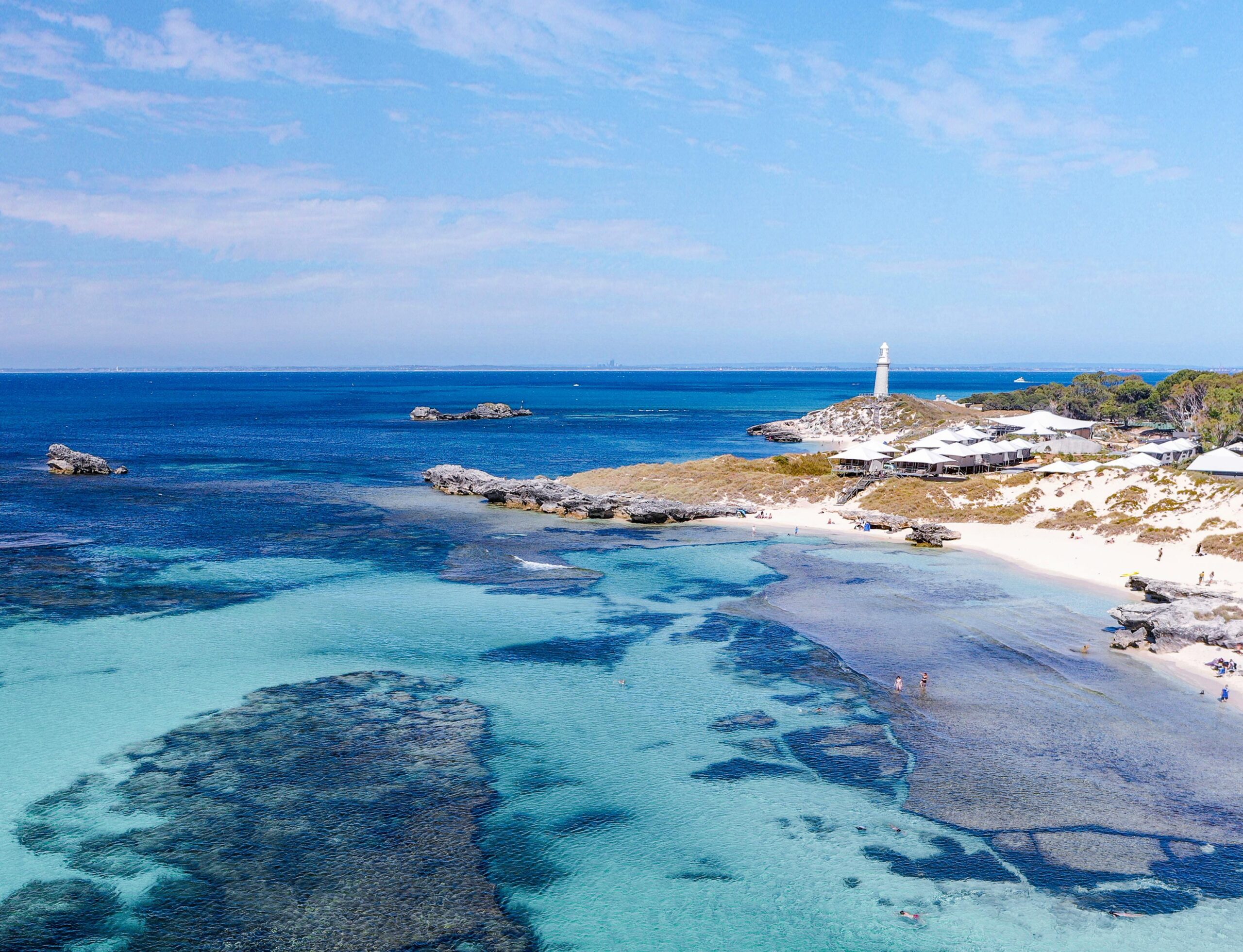
Summer (December – February): Hot, Bright & Buzzing
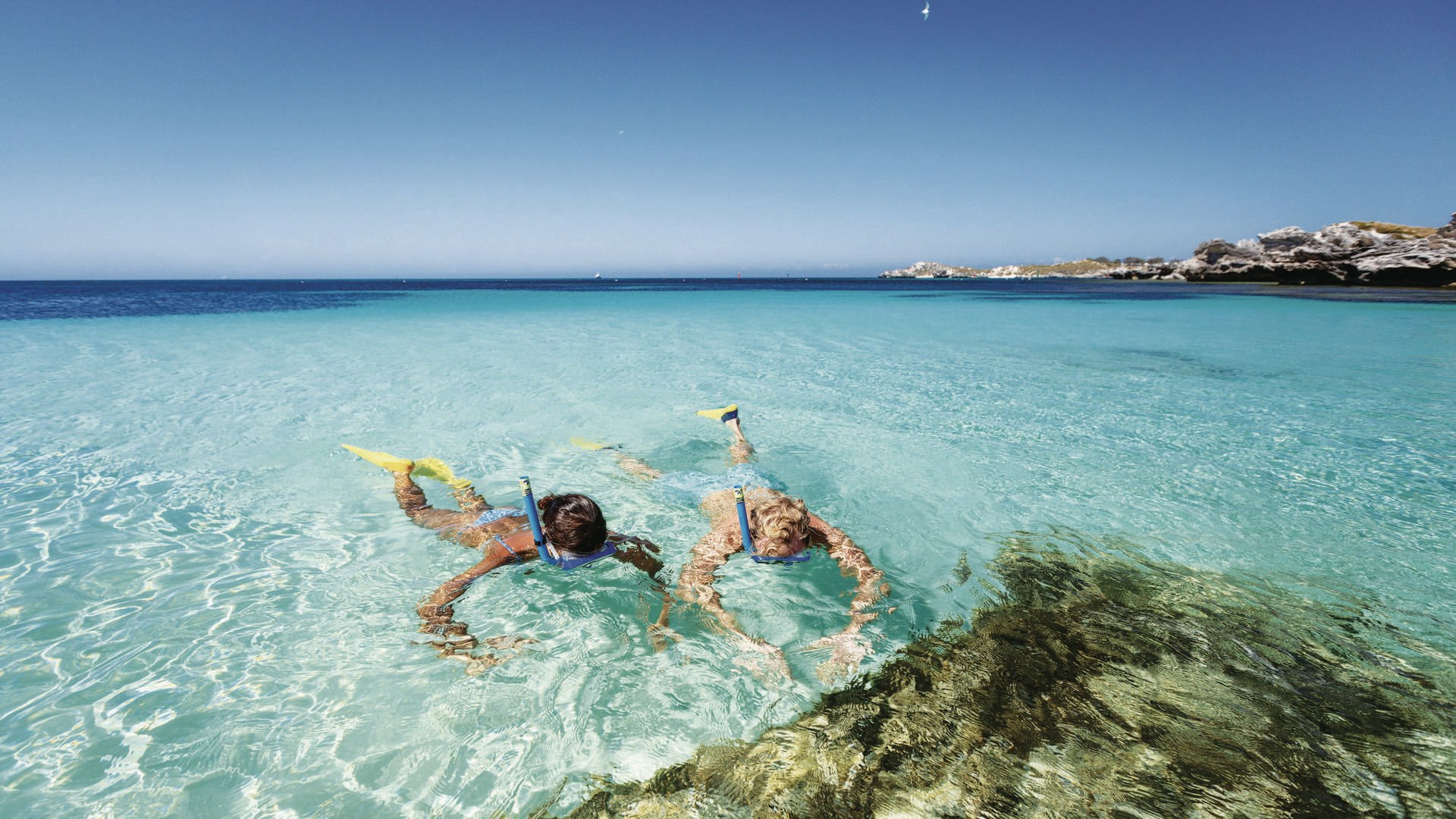
Summer is Rottnest’s postcard season. Expect hot, dry days around 30°C, crystal-clear water, and long afternoons perfect for swimming, snorkelling, and cycling.
Best for:
Keep in mind:
If you love energy, sunshine, and warm water, summer is unbeatable — just expect company.
Autumn (March – May): The Local Favourite
Autumn is widely considered the sweet spot for visiting Rottnest Island. Days stay warm, the water remains comfortable, and crowds thin out dramatically. Late March and April offer the best ratio of weather to availability.
Best for:
Why autumn wins: You get summer-like conditions without the summer chaos. Many locals quietly prefer this season — and once you experience it, you’ll understand why.
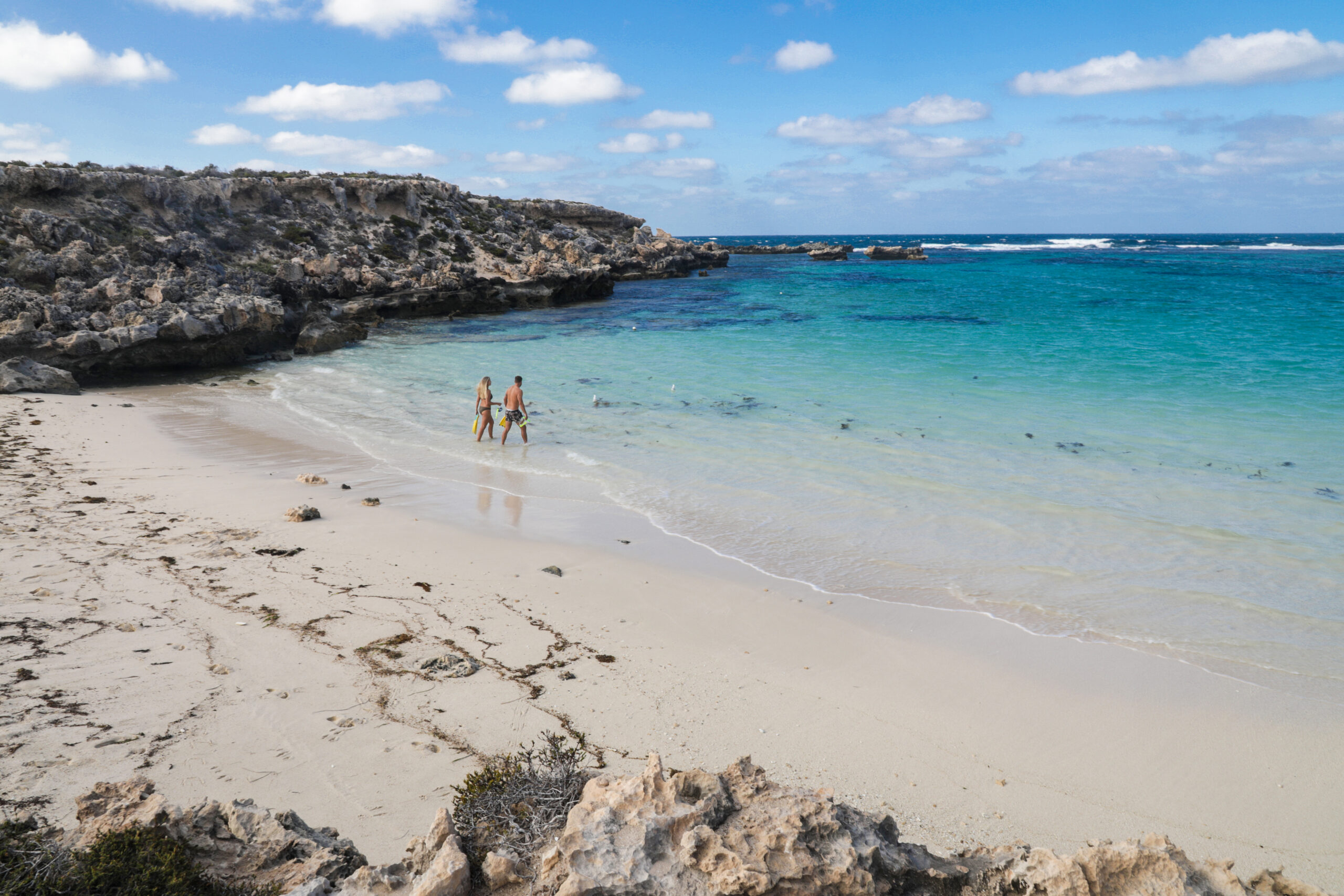
Winter (June – August): Quiet, Cosy & Underrated
Winter brings cooler temperatures (around 17–18°C), brisk winds, and occasional showers. It’s not prime swimming weather, but it is perfect for slow travel.
Best for:
Why consider winter: If you want Rottnest almost to yourself, winter is your season. The island takes on a cosy, fireside charm — a completely different experience from summer.
Spring (September – November): Wildflowers & Baby Quokkas
Spring is a magical time on Rottnest. The island bursts into bloom, and baby quokkas (joeys) begin emerging from their mothers’ pouches. Temperatures rise, winds settle, and the ocean becomes inviting again.
Best for:
Heads up: November gets busier with Leavers Week — aim for early November if you prefer a quieter vibe.

So… what’s the best overall season?
Best All-Rounder: Autumn (March–May)
Warm water, fewer crowds, great weather, and better availability. It’s the perfect balance for most travellers.
Best for Wildlife: Spring (September–November)
Baby quokkas + wildflowers = Rottnest at its most charming.
Best for Beaches: Summer (December–February)
If you want peak swimming and snorkelling conditions, summer delivers.
Best for Budget & Quiet: Winter (June–August)
Cooler, quieter, and ideal for slow travel.
Rottnest Island is a year-round destination — but your perfect season depends on your travel style. If you want warm water and calm crowds, choose autumn. If you want wildlife and blooms, choose spring. If you want pure beach days, choose summer. And if you want solitude, winter is your secret weapon.



Sign up to receive our e-newsletters featuring the latest news, exclusive offers and much more from Rottnest Express and Journey Beyond.
Please note: B Shed is currently undergoing renovations, affecting road and parking access. Allow extra time for parking and follow all instructions at the terminal. Click here for more info.