
Friday 11th September 2026
Rottnest Island isn’t just famous for its turquoise bays and laid‑back holiday vibe — it’s also home to some of Australia’s most unique wildlife.
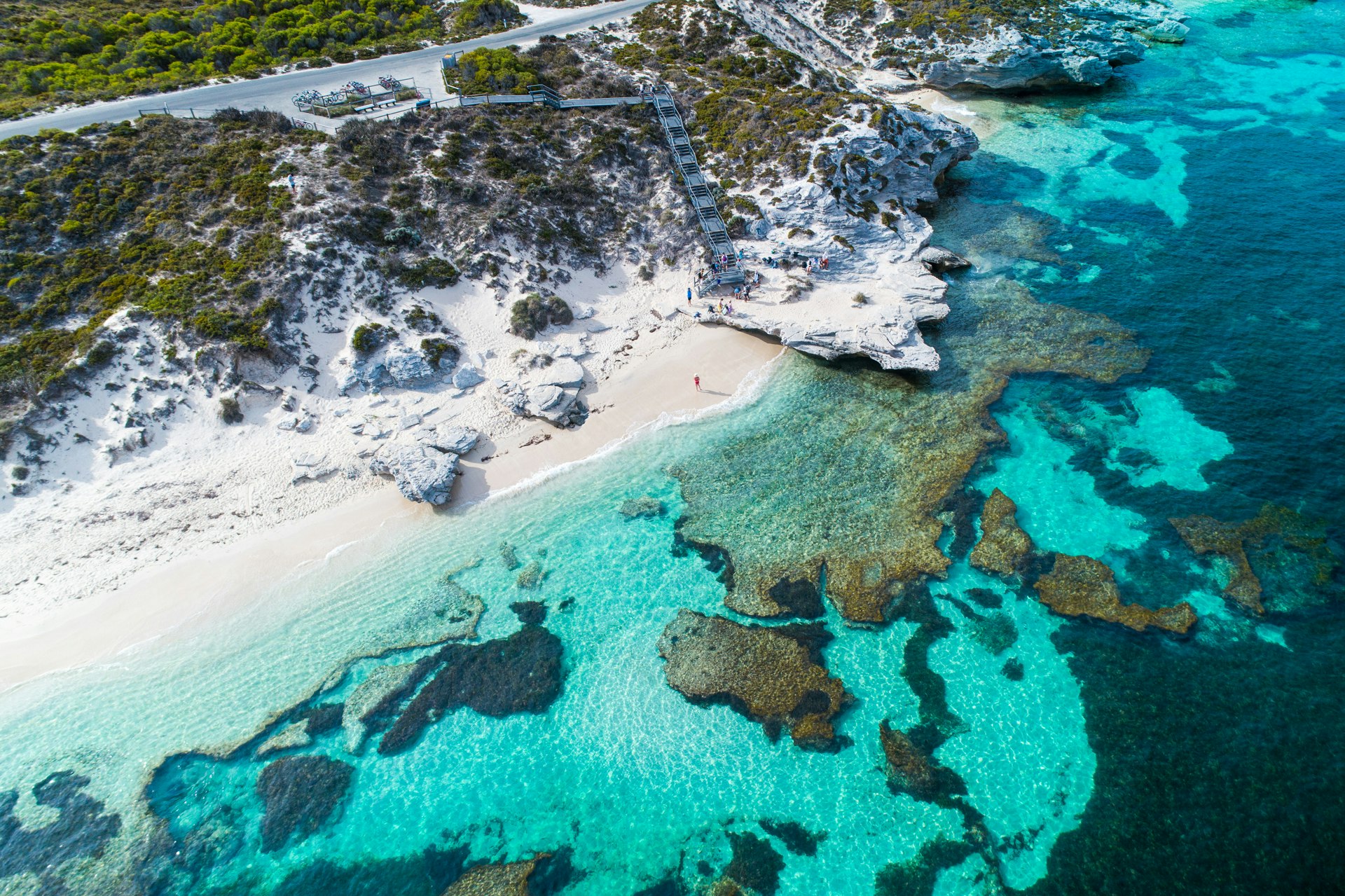
Whether you’re cycling the island loop, snorkelling in one of its 63 beaches, or wandering through the settlement, you’ll find animals and marine life that make Rotto feel like a living nature documentary.
Here’s your guide to the incredible wildlife you can spot on your next visit.
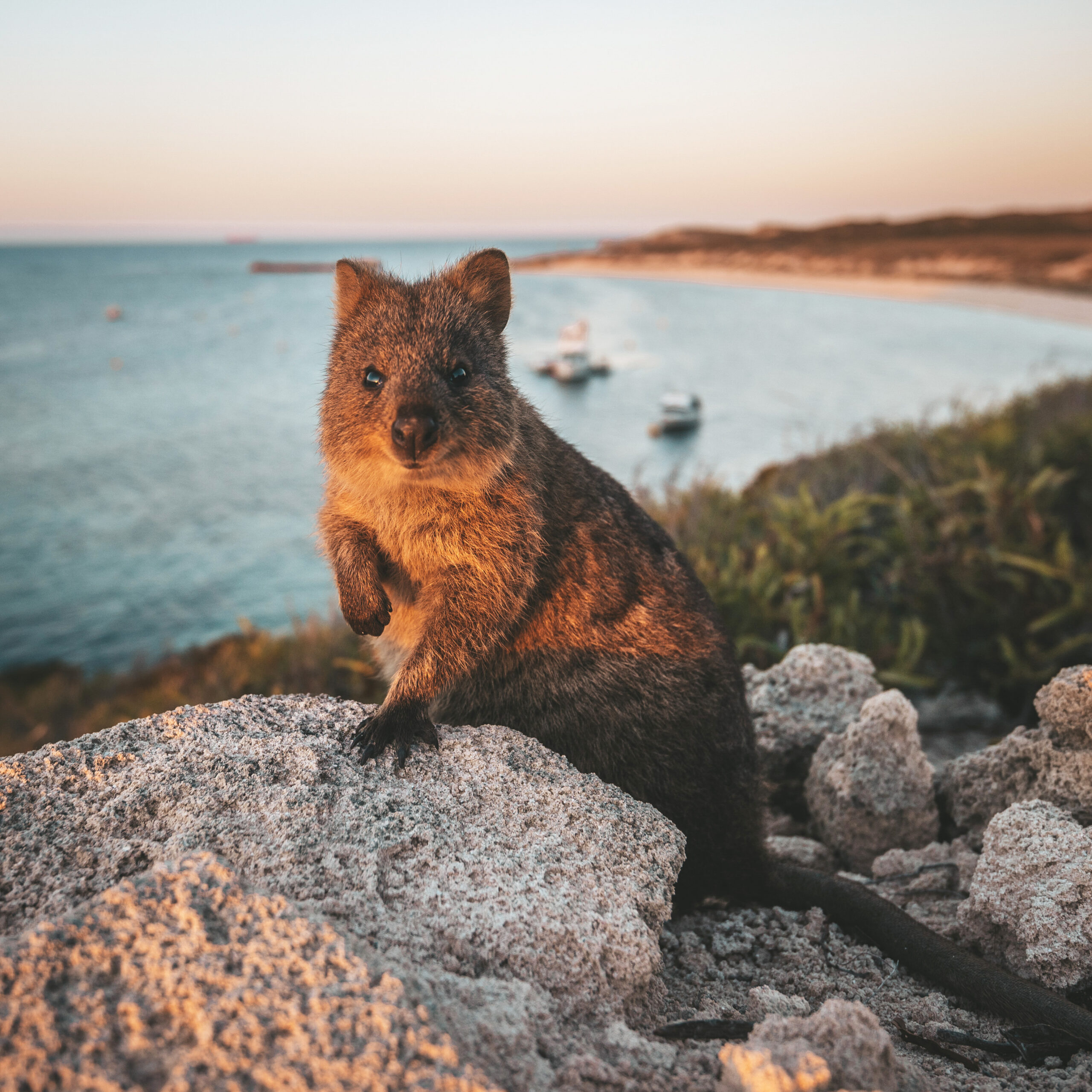
Quokkas: The Island’s Most Famous Residents
Rottnest Island is the only place in the world where you’ll find large, thriving populations of quokkas in the wild. These small marsupials are famously friendly, photogenic, and often seen hopping around the settlement, under shady trees, or near walking trails.
Where to find them:
Fun fact: Quokkas were once mistaken for giant rats — which is how Rottnest (“Rat’s Nest”) got its name.
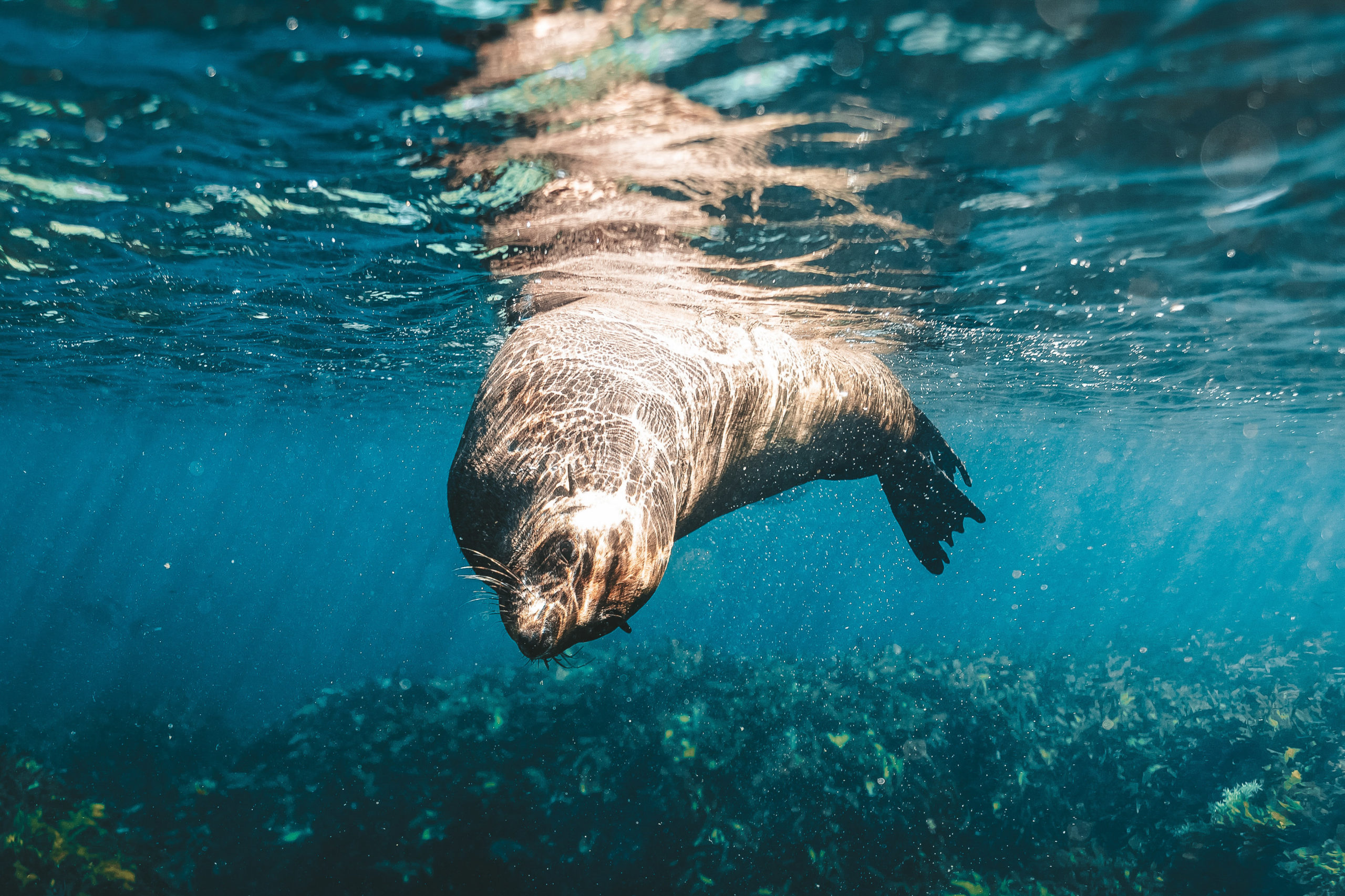
New Zealand Fur Seals: The Island’s Sunbathing Giants
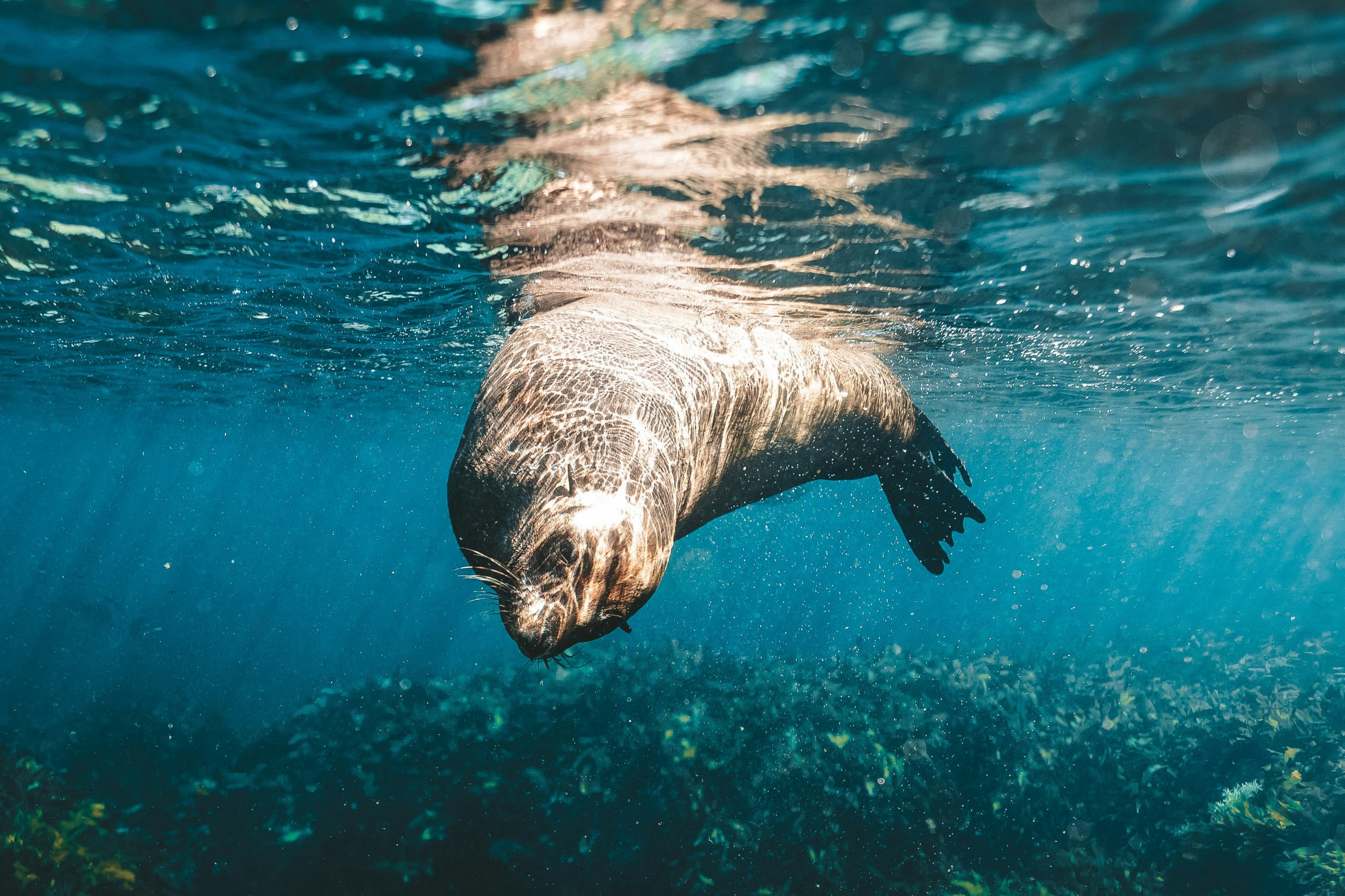
Head to the western end of the island and you’ll find a thriving colony of New Zealand fur seals lounging on the rocks at Cathedral Rocks. They’re playful, noisy, and often seen flopping into the water or waving a flipper in the sun.
Best viewing spot:
Tip: Bring binoculars — you’ll get a closer look without disturbing them.
Dolphins: Playful Visitors in the Bays
Rottnest’s clear waters are a playground for bottlenose dolphins, often seen cruising past swimmers or riding the waves near the reefs.
Where you might spot them:
Dolphins are most active in the mornings, so keep your eyes on the water as you explore.
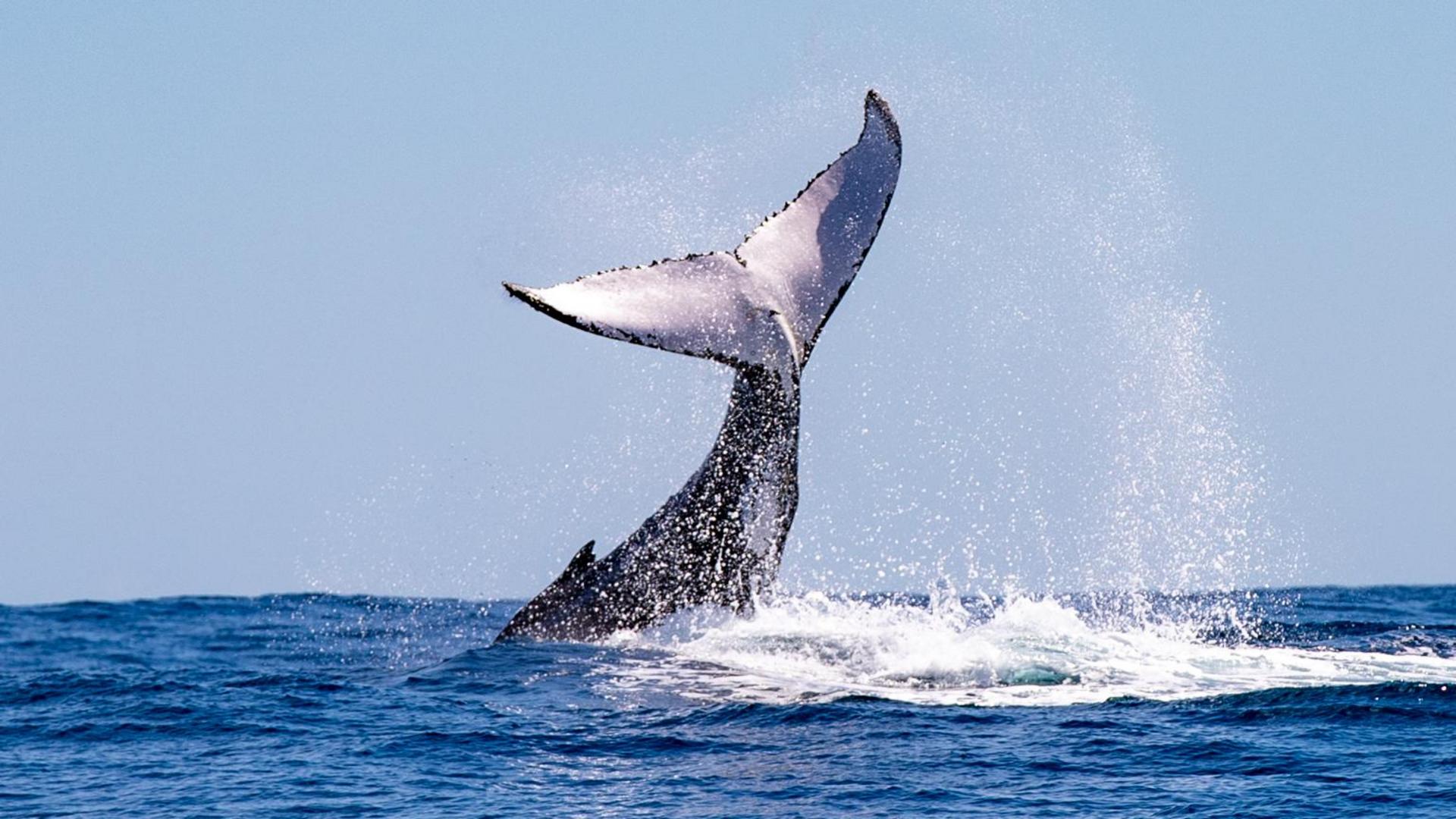
Whales: A Seasonal Spectacle
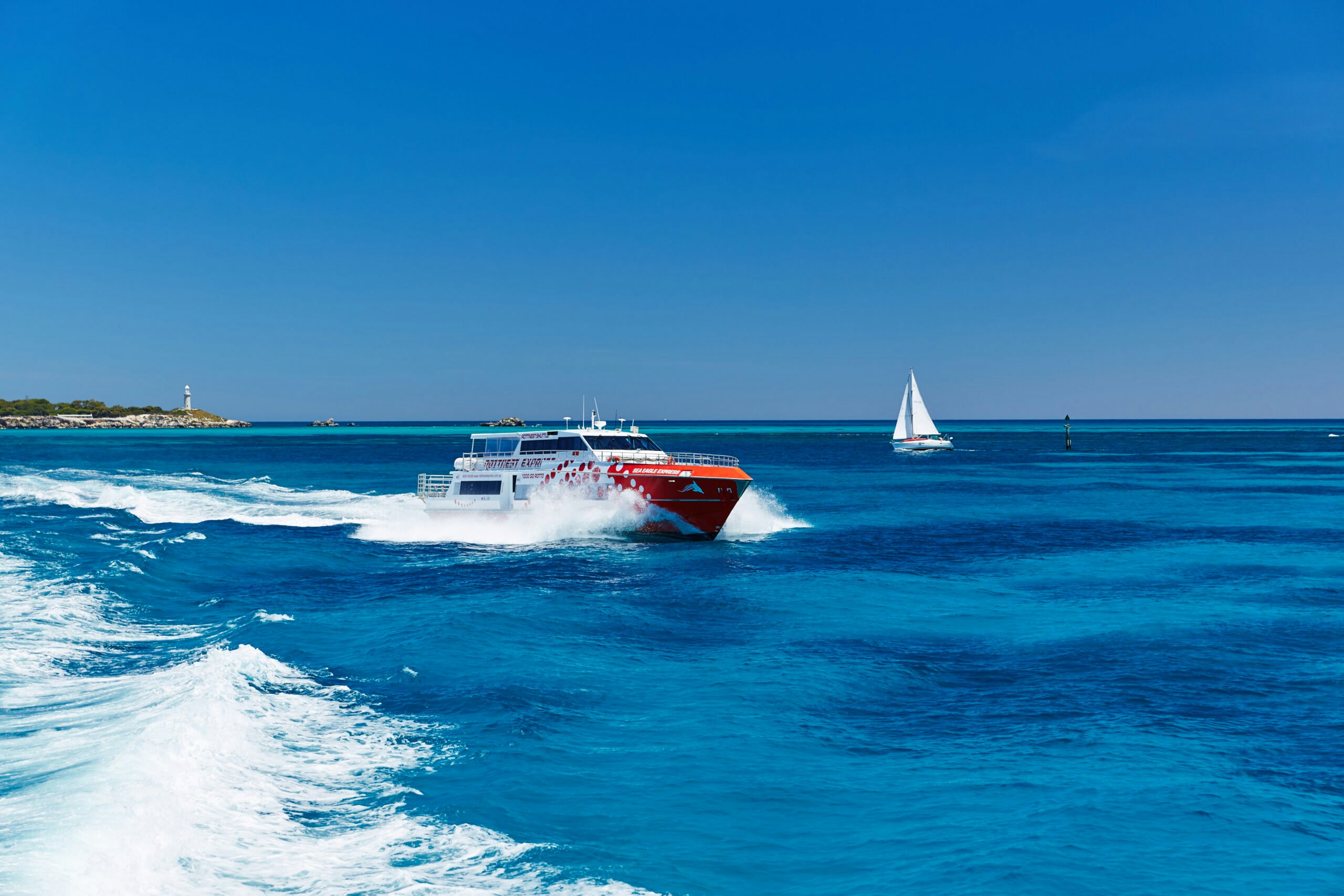
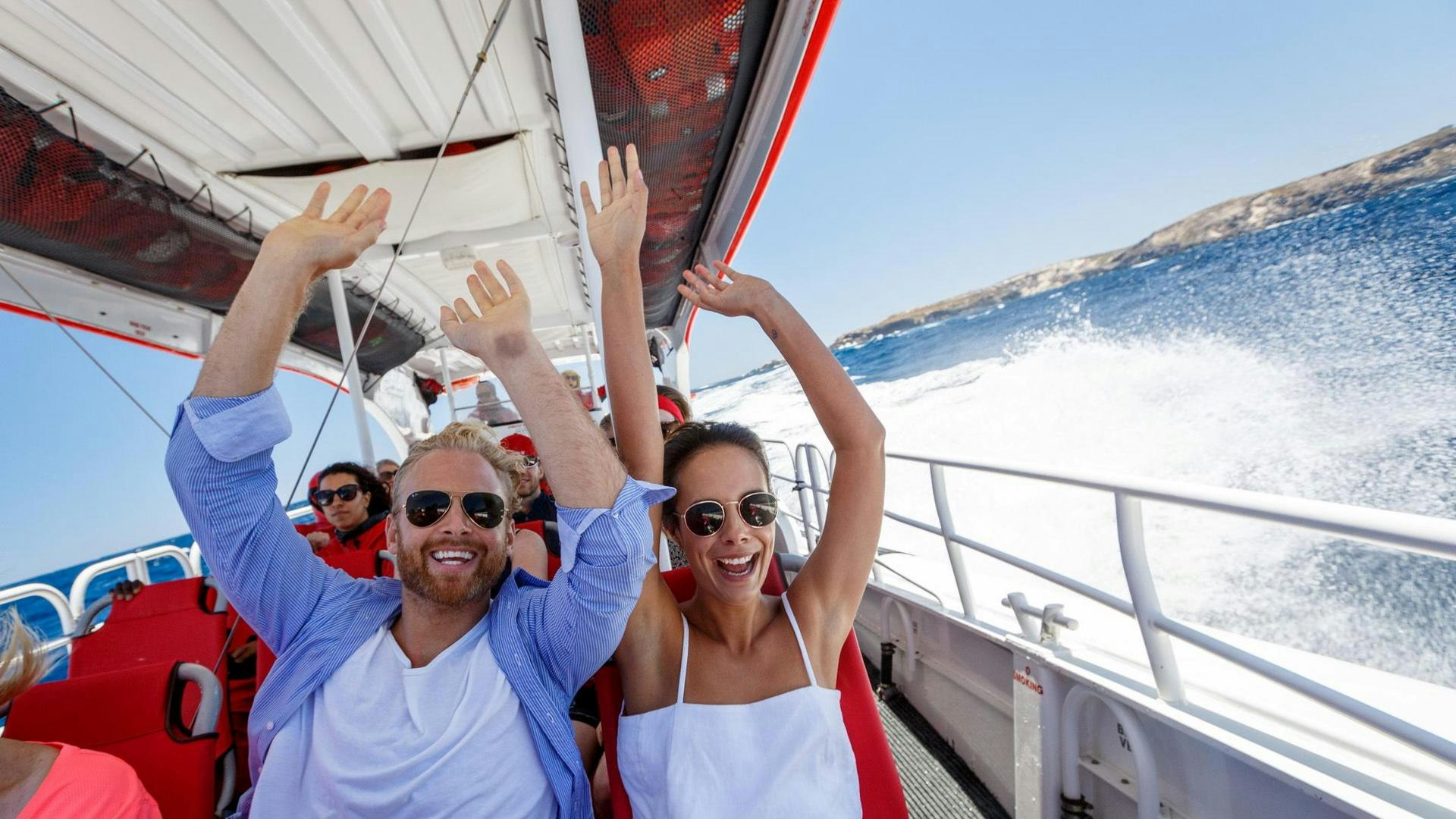
From September to November, Rottnest becomes part of the humpback whale migration route. You can often see whales breaching, tail-slapping, or cruising past the island’s deeper waters. Make sure you jump on board Rottnest Express’ whale watching tour to get a front row seat!
Birdlife: A Haven for Island Birds
Rottnest is home to more than 50 species of birds, including migratory visitors and impressive raptors.
Birds you’re likely to see:
Birdwatchers will love the island’s mix of coastal, lake, and bushland habitats.
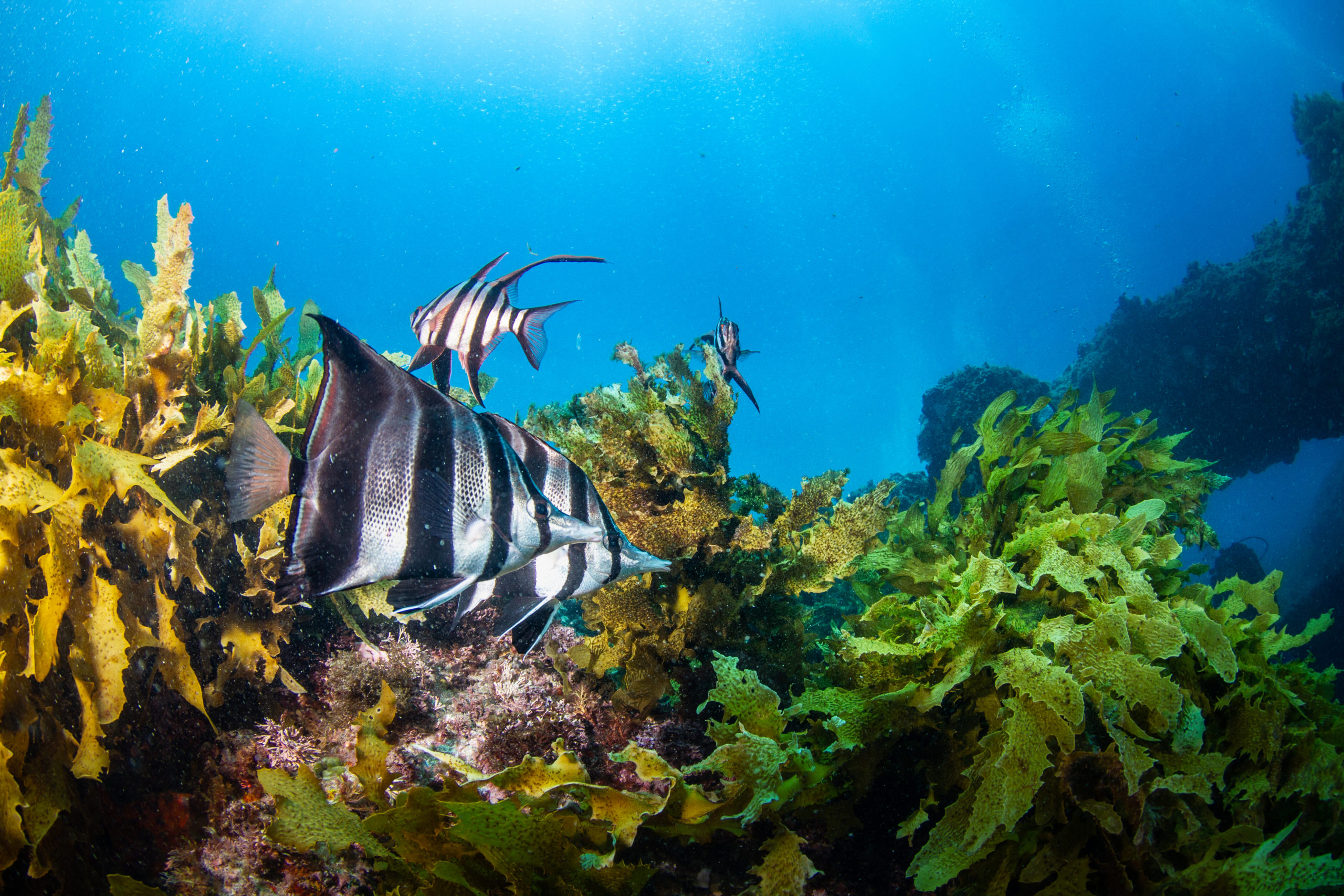
Marine Life: A Snorkeller’s Paradise
With more than 20 snorkelling sites, Rottnest is one of WA’s best underwater playgrounds. Expect colourful fish, coral, and even the occasional stingray.
Common marine life:
Snorkelling here feels like swimming through a tropical aquarium.
Rottnest Island is one of Australia’s most wildlife-rich destinations, offering close encounters with quokkas, seals, dolphins, whales, birds, reptiles, and vibrant marine life. Whether you’re exploring on foot, by bike, or underwater, the island gives you a front-row seat to nature at its best.



Sign up to receive our e-newsletters featuring the latest news, exclusive offers and much more from Rottnest Express and Journey Beyond.